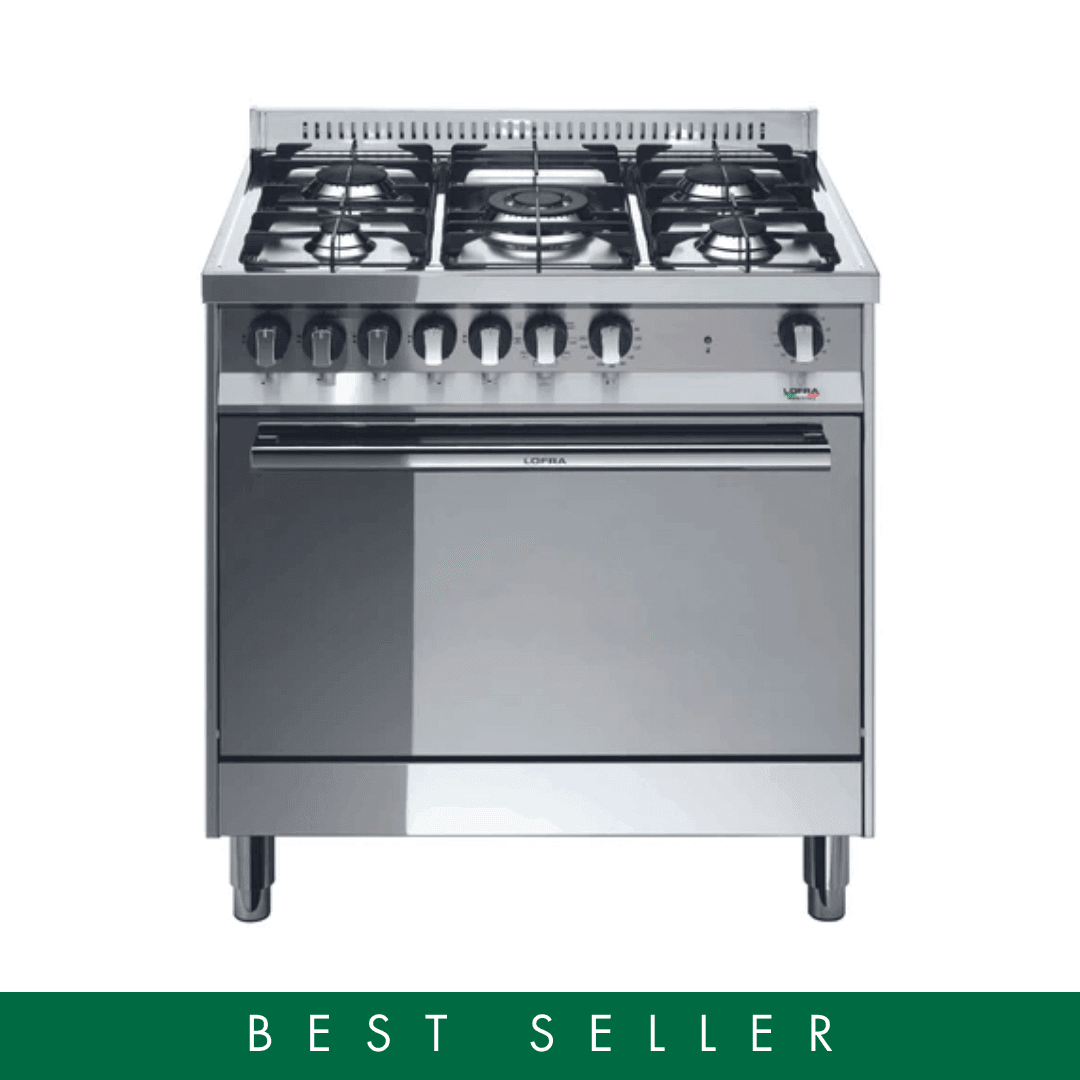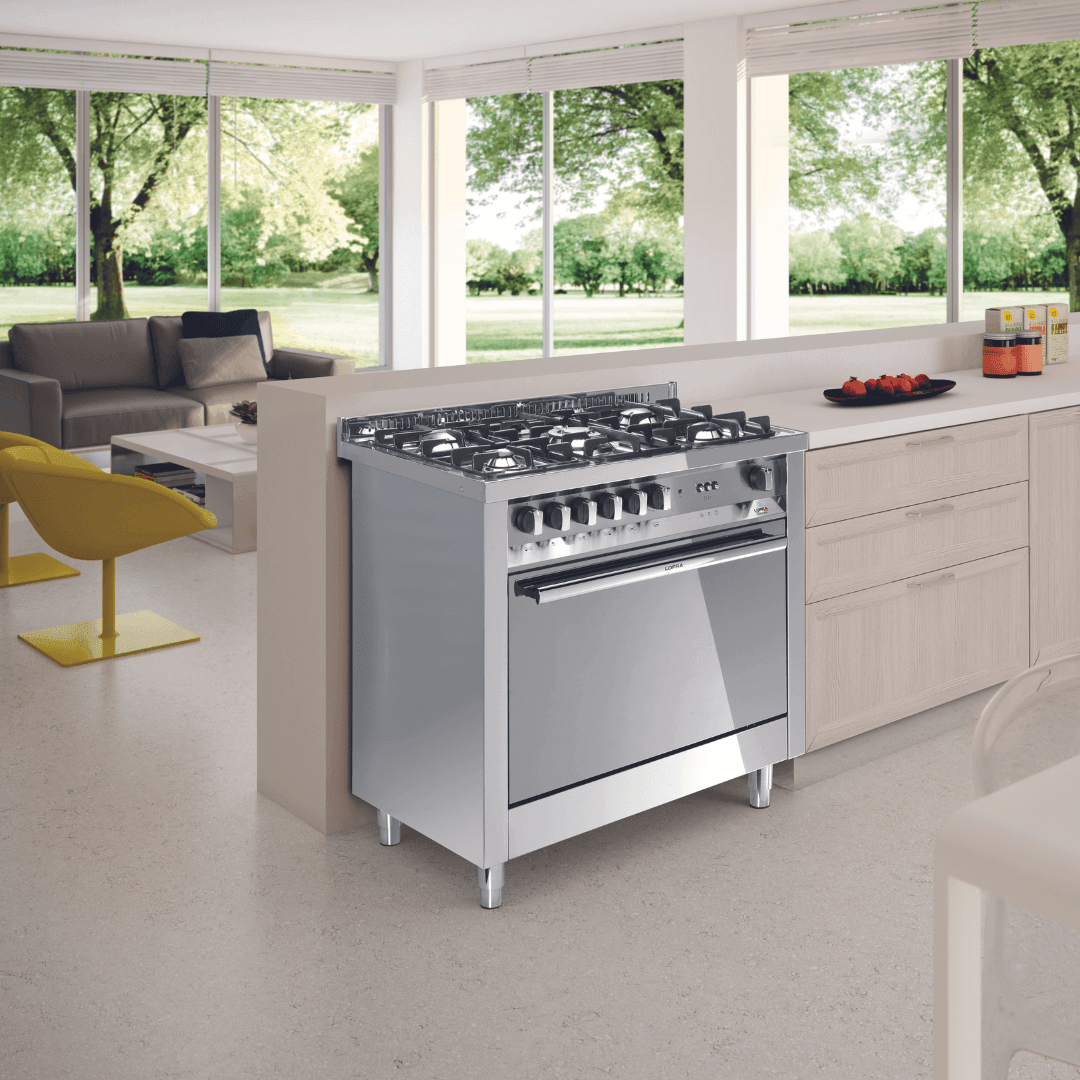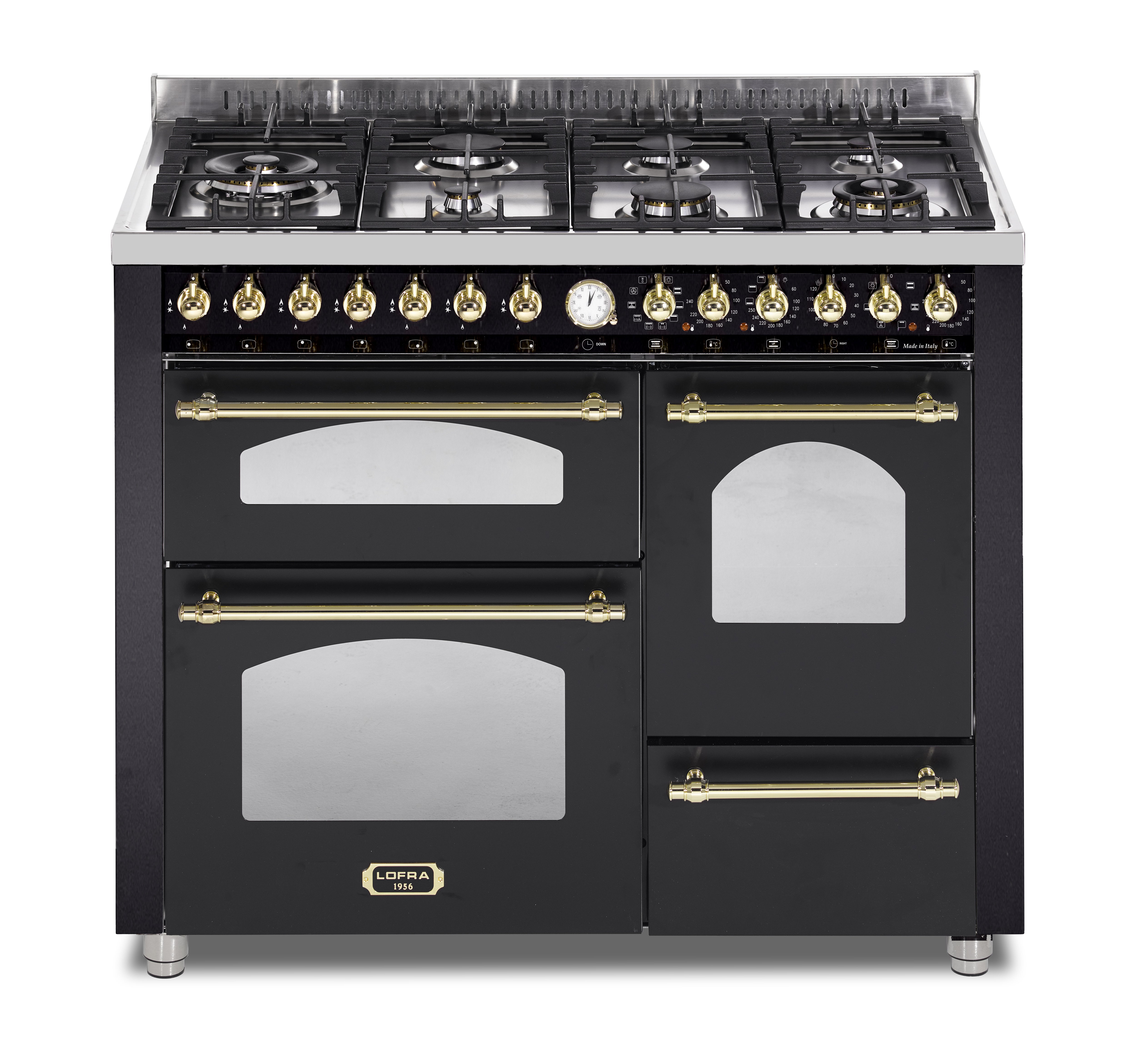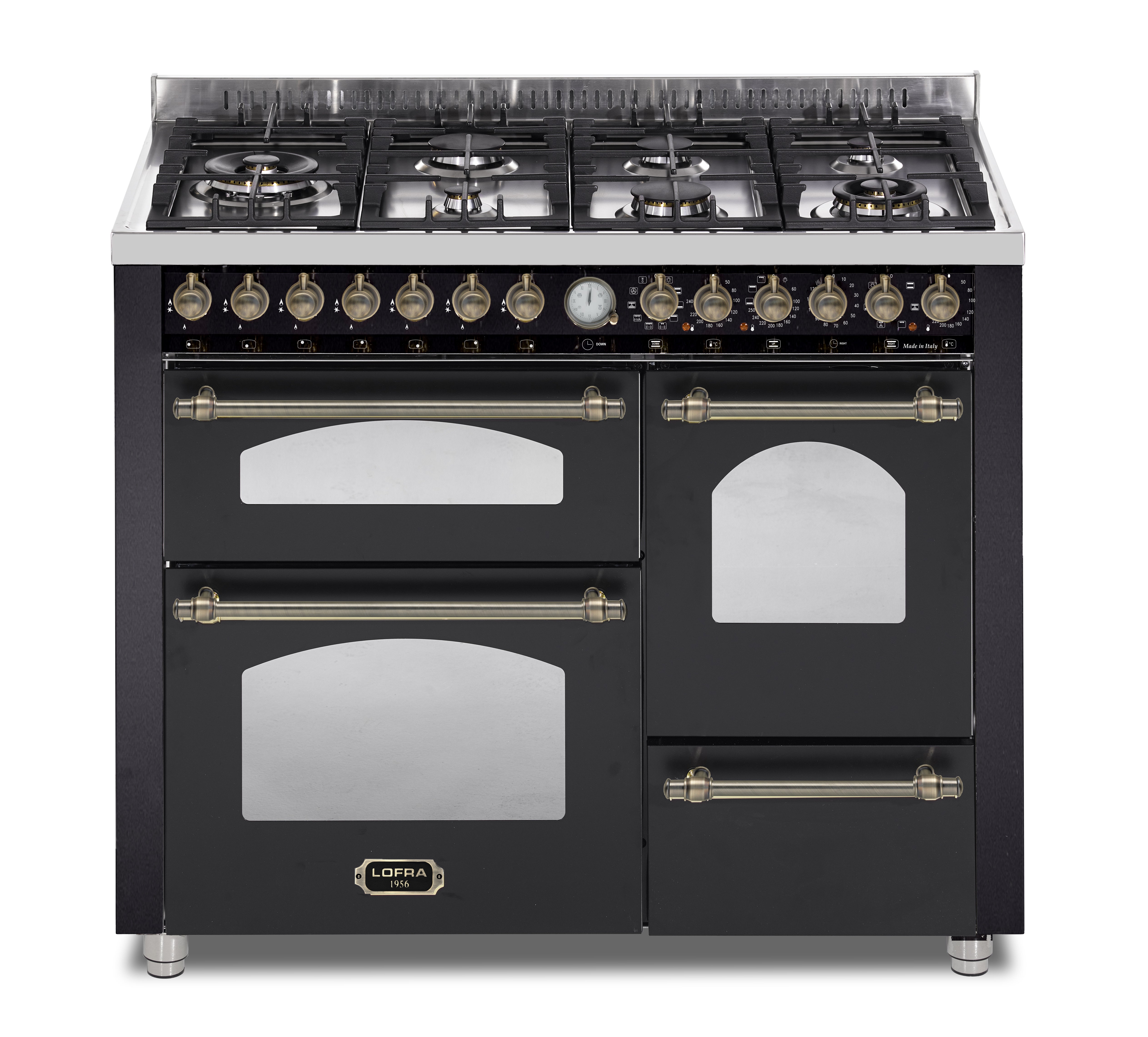
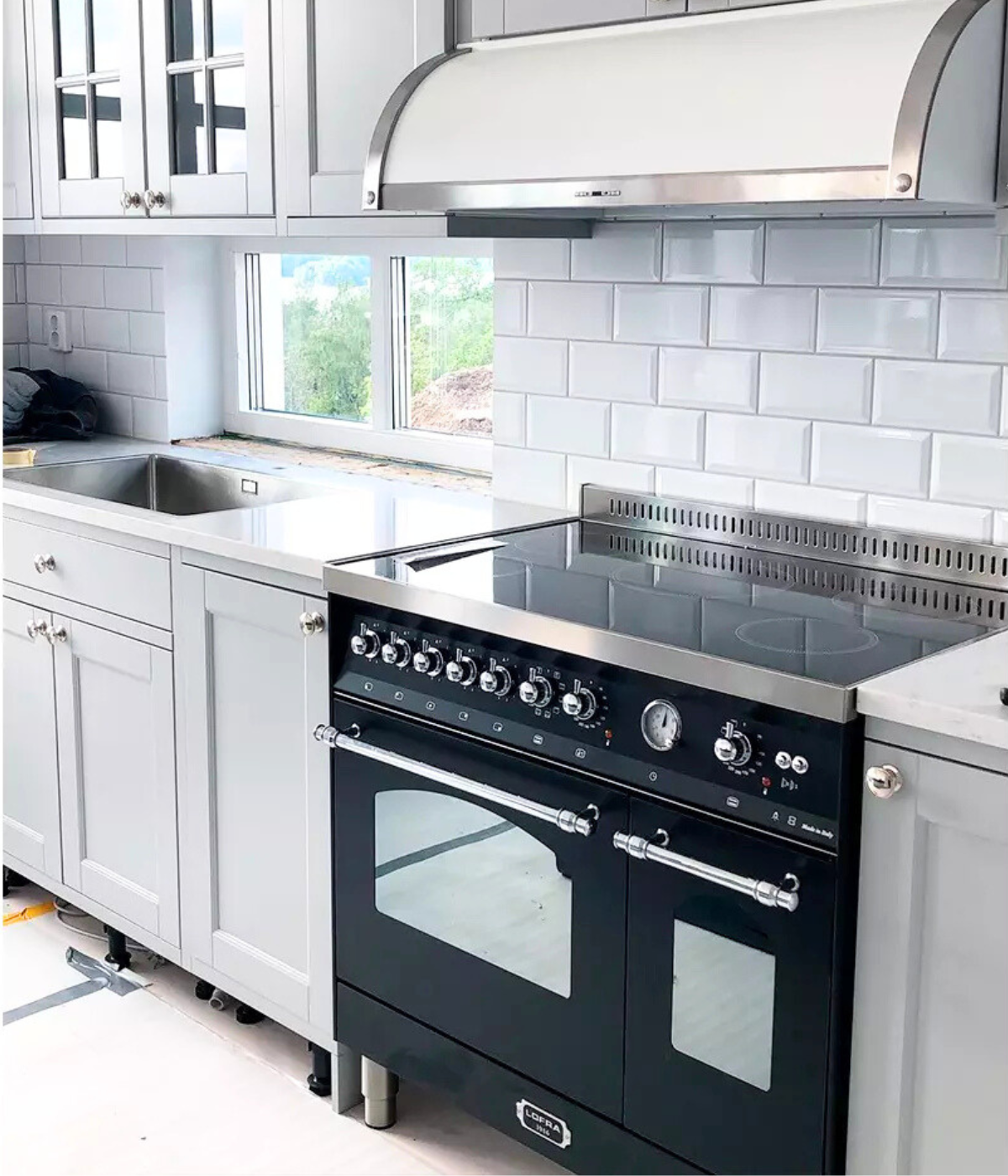
Fuel type is usually the first decision anyone makes when choosing a range cooker, and it's worth getting right, because it shapes how the appliance feels to use every single day.
What “dual fuel” actually means
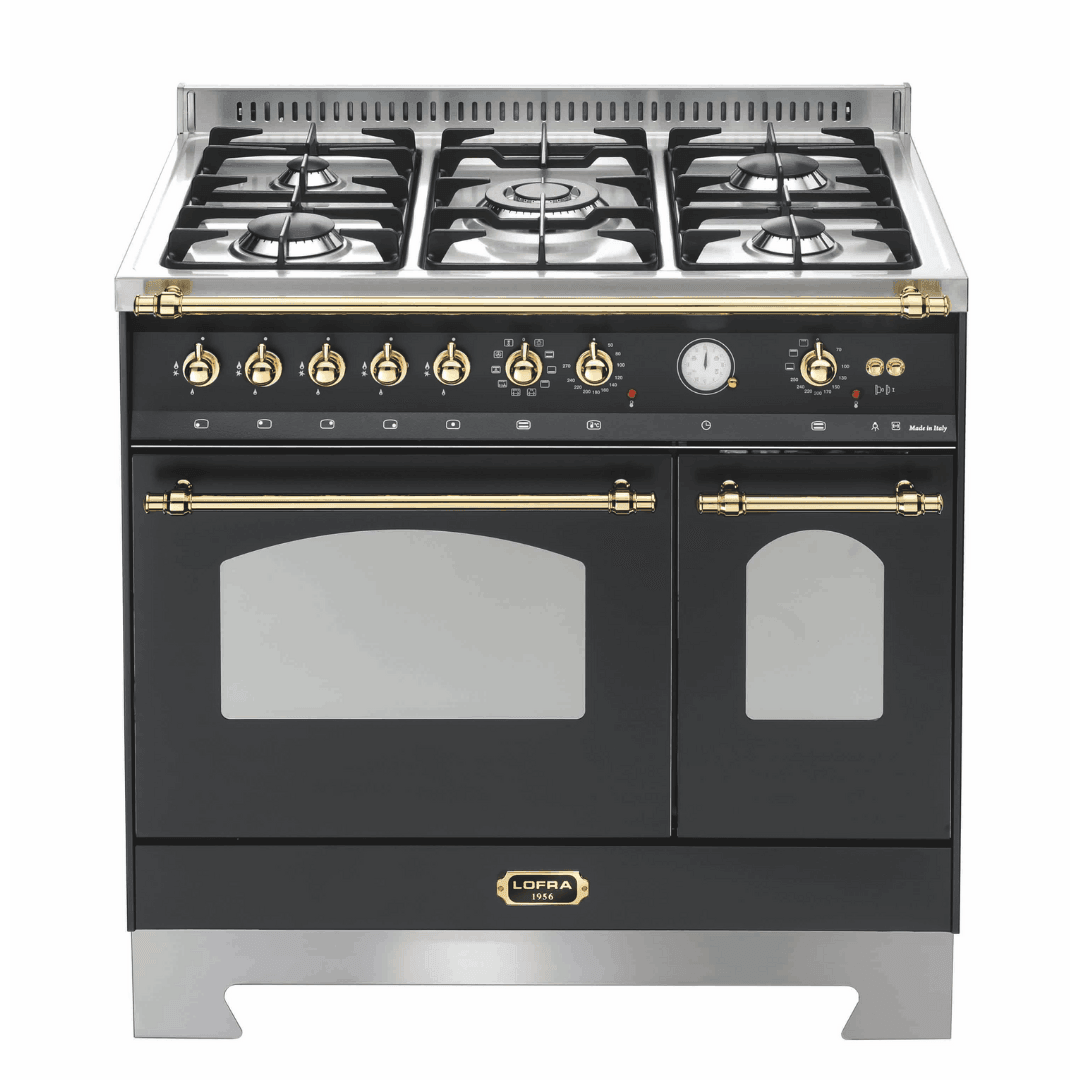
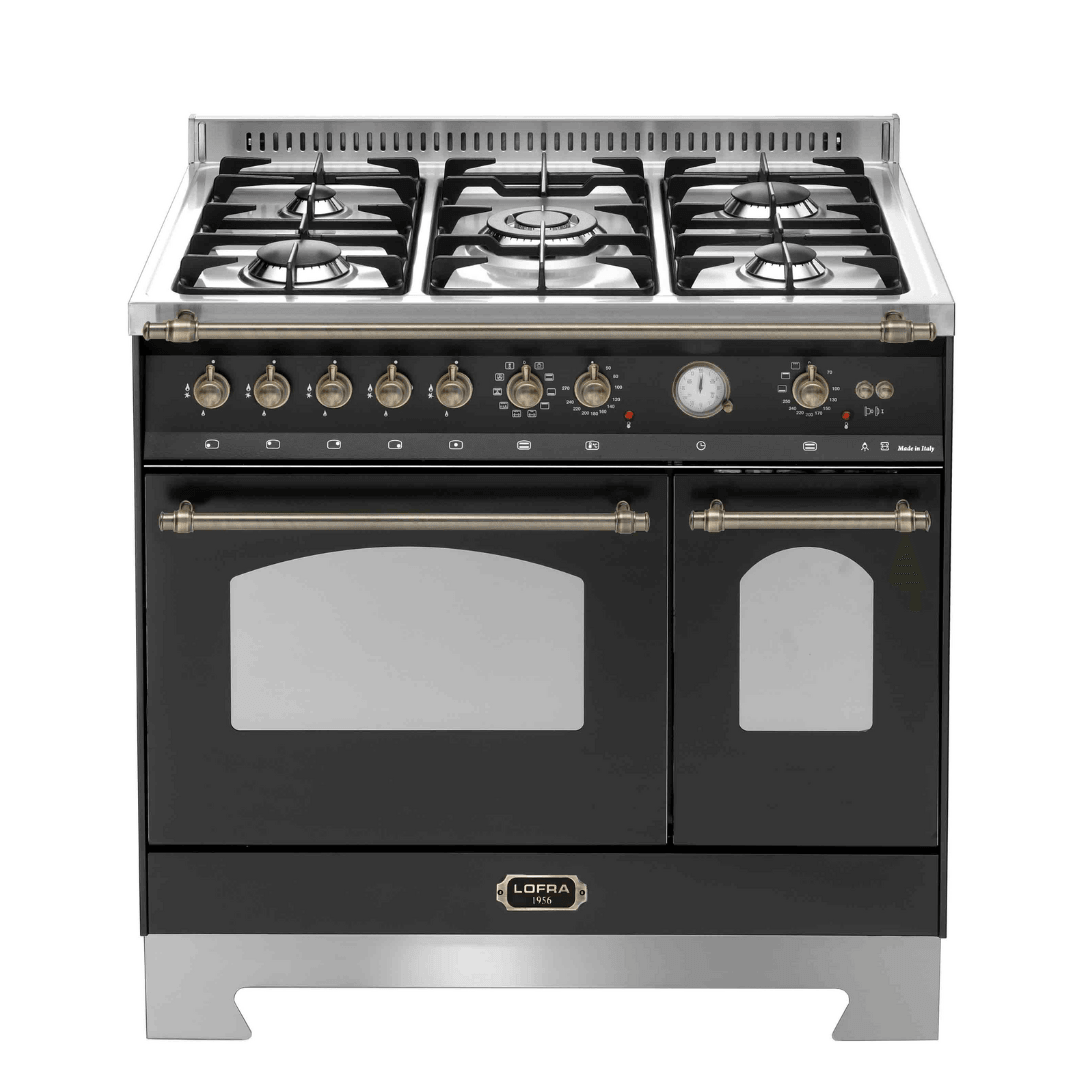
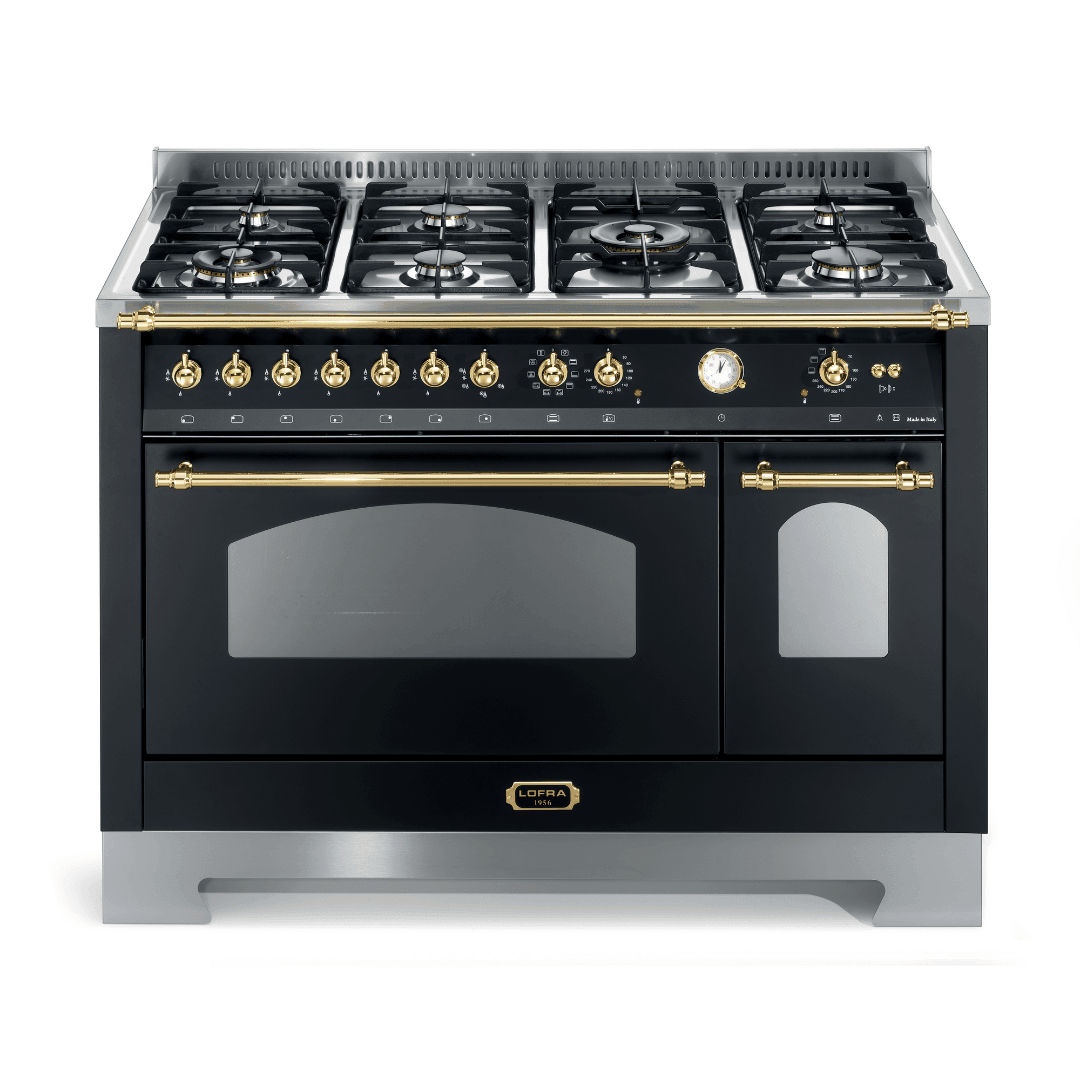
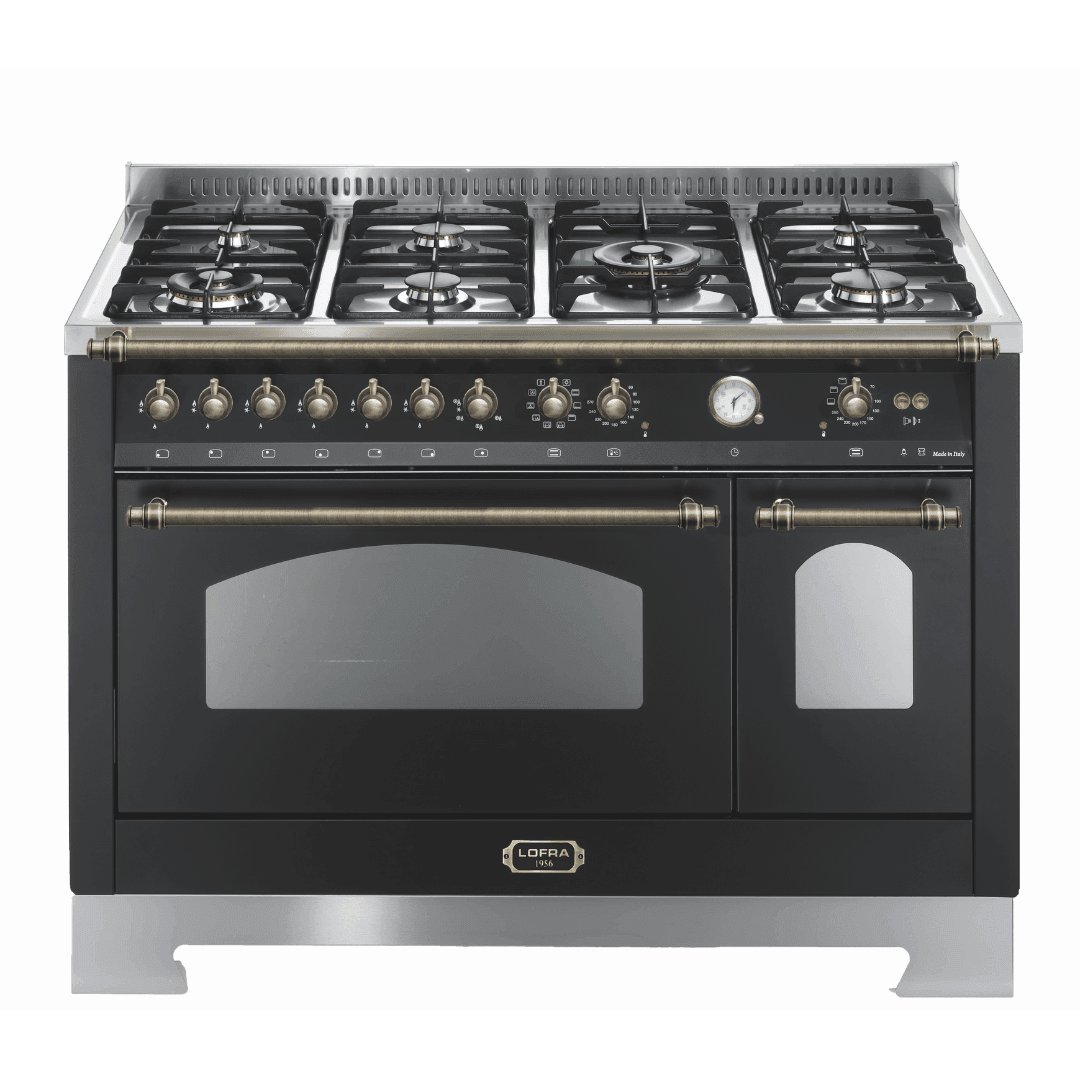
Dual fuel simply means a gas hob paired with an electric oven. It's the configuration Lofra themselves describe as the best of both worlds, and it's easy to see why: gas burners respond instantly, giving the visual flame control that many cooks prefer for pan work, while an electric oven heats more evenly than gas, which matters for baking and roasting.
All gas vs induction — the real trade-offs
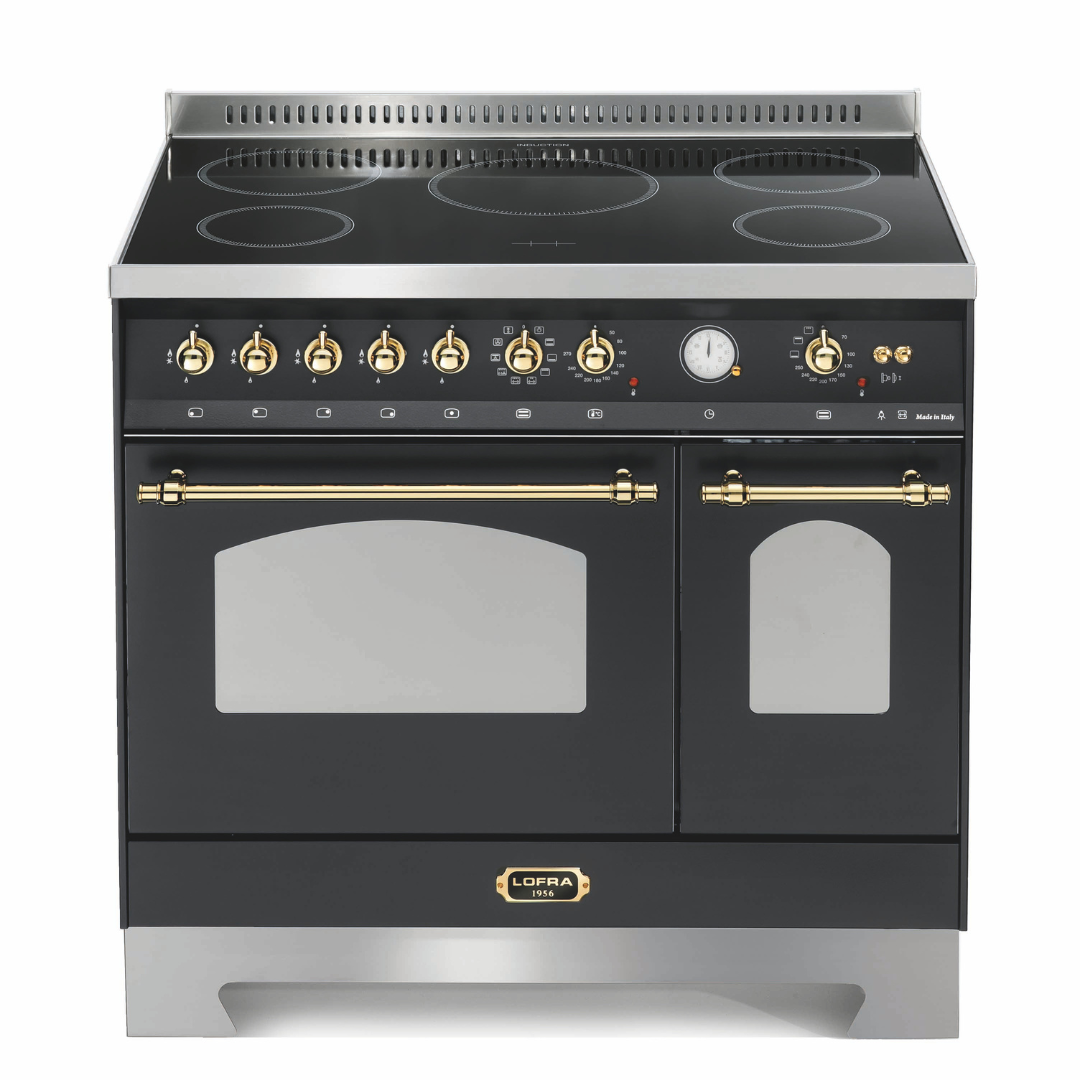
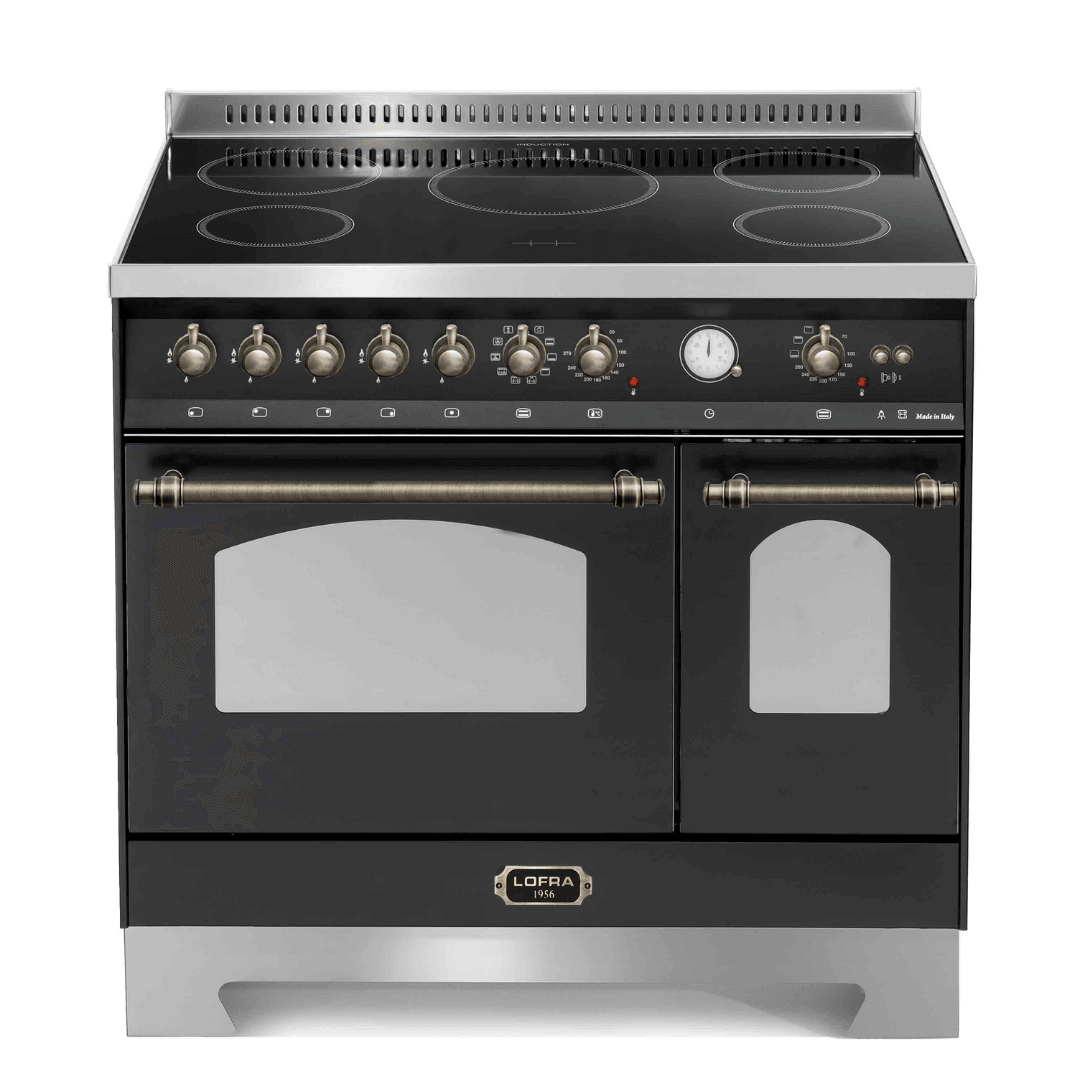
A fully gas range cooker suits anyone who values traditional cooking feel and wants an appliance that works with virtually any cookware. Induction, on the other hand, heats faster, responds instantly to temperature changes despite being electric, and is significantly easier to keep clean since there are no burner grates to lift out and scrub. It also runs cooler to the touch, which some households prefer for safety. The trade-off is that induction requires induction-compatible pans.
Which is easier to live with day to day?
If cleaning is a priority, induction wins clearly — a flat glass surface wipes down in seconds. If you cook with a wide variety of pans, including ones you already own, gas is more forgiving. Many home cooks who've tried both end up preferring dual fuel specifically because it avoids having to choose: gas for hands-on hob cooking, electric for oven precision.
Our recommendation based on cooking habits
If you cook daily, bake often, or host regularly, dual fuel is generally the safer choice — it covers the widest range of cooking styles without compromise. If your priority is minimal cleaning and modern styling, induction is worth serious consideration. A fully gas cooker suits those who've cooked on gas for years and don't want to change.
See also: if keeping the hob clean matters to you, our guide to cleaning and maintenance covers gas, induction, and dual fuel in more depth.
Quick Answers
Q: What's the difference between dual fuel, gas, and induction?
A: Dual fuel pairs a gas hob with an electric oven; all-gas uses gas for both; induction uses an electric hob that heats pans directly, paired with an electric oven. Dual fuel is often described as offering the best of both.
Q: Which is easier to clean, gas or induction?
A: Induction, by a clear margin — its flat glass surface has no burner grates or pan supports to remove and scrub.
Explore Lofra's dual fuel, gas and induction range cookers to compare specific models, or visit a showroom to see the hob difference for yourself.