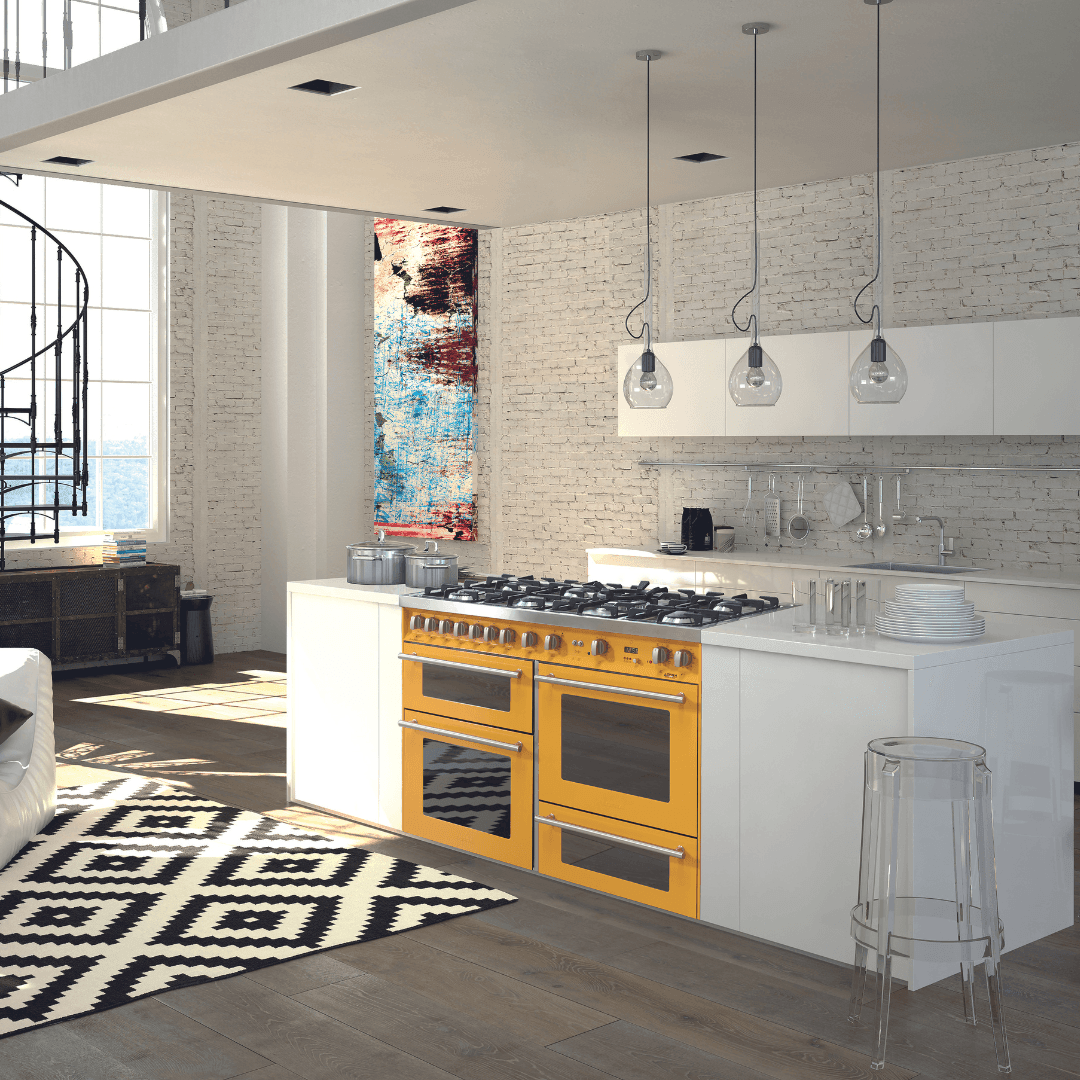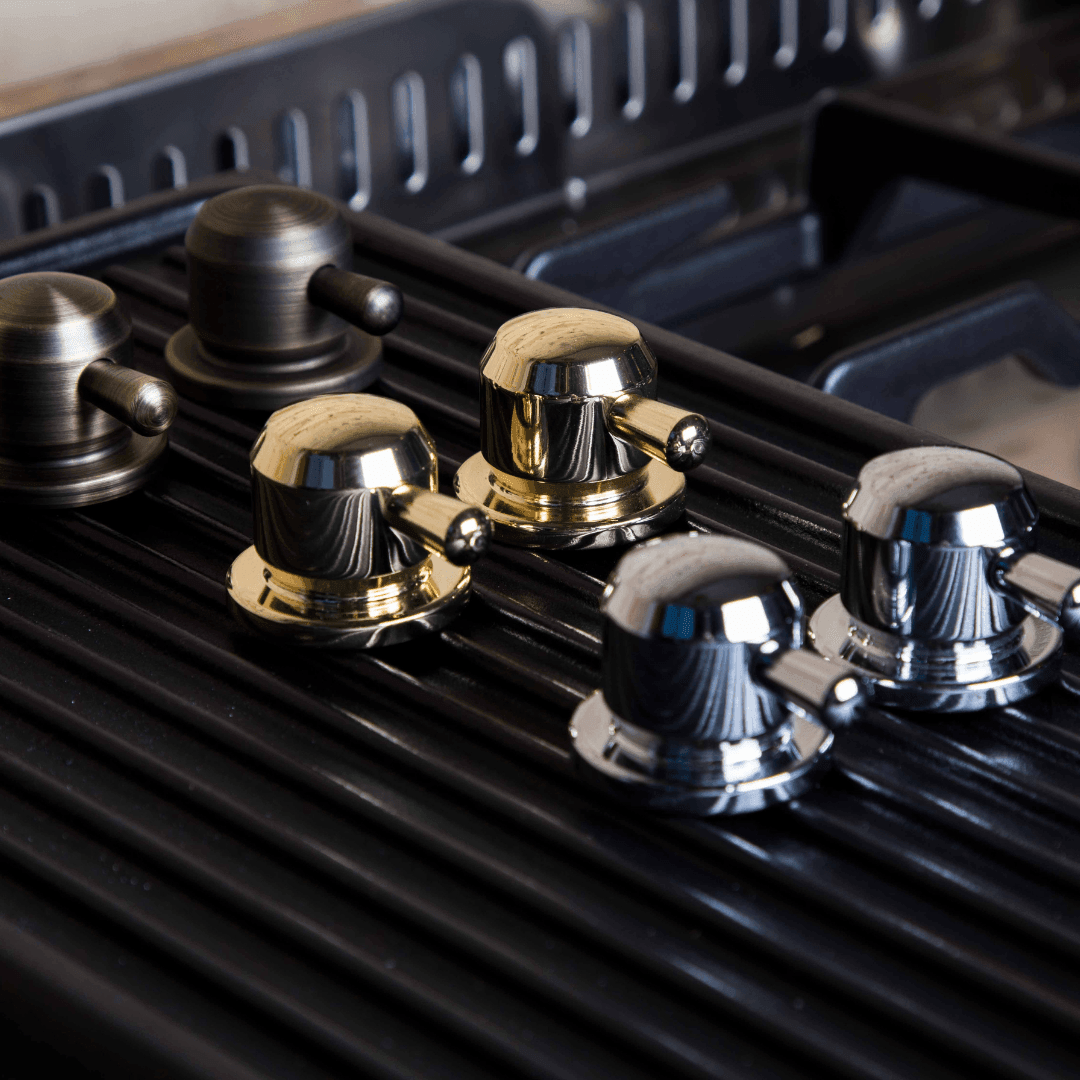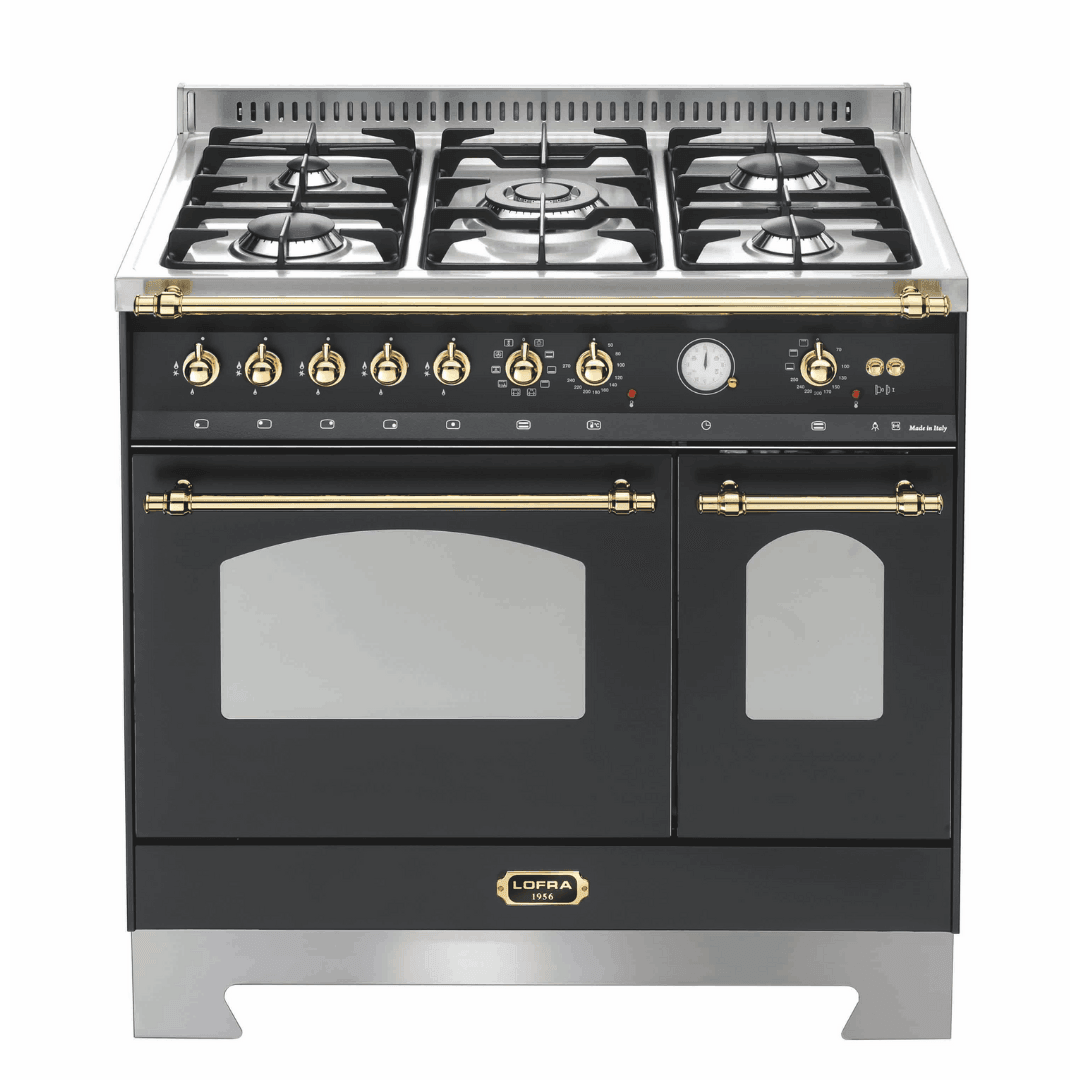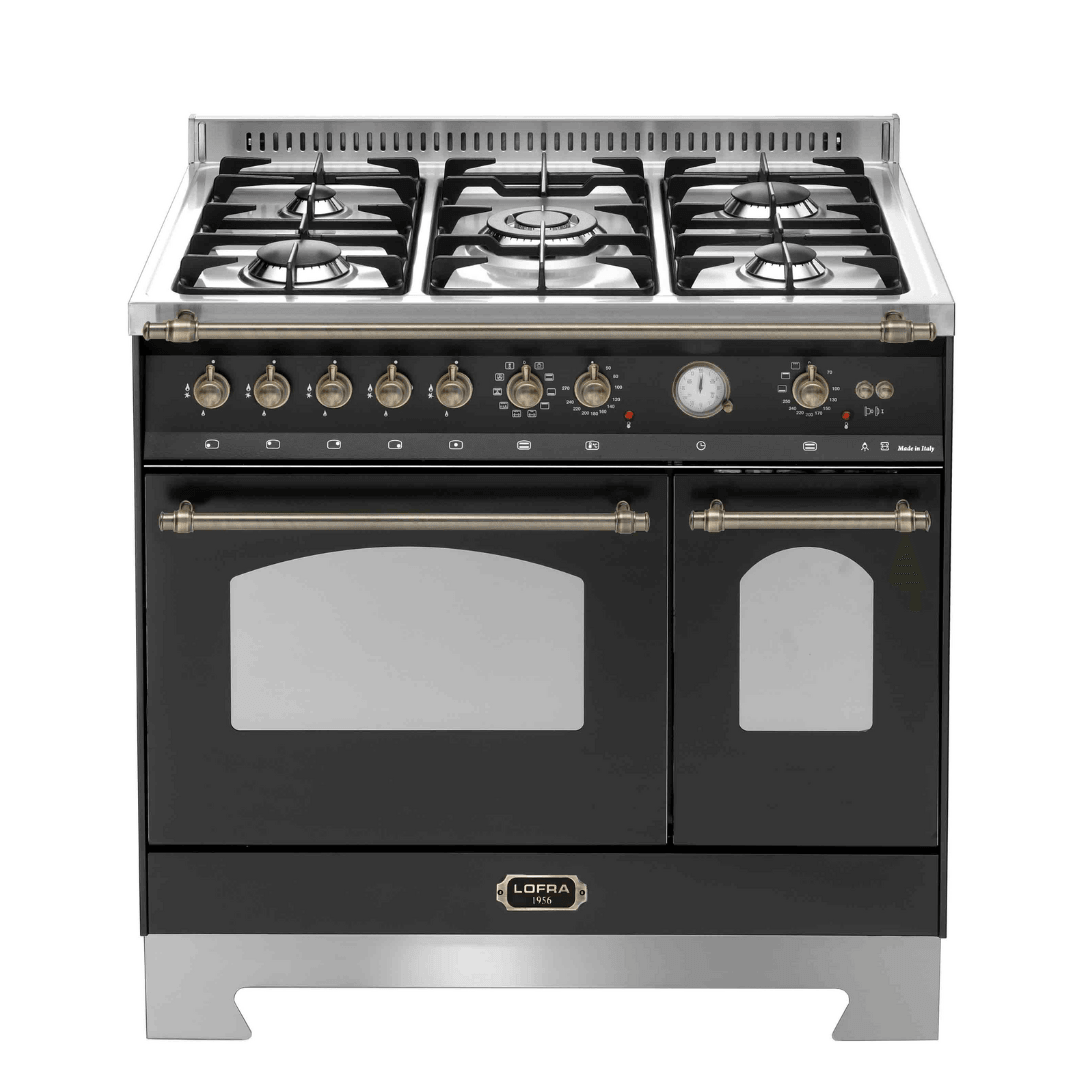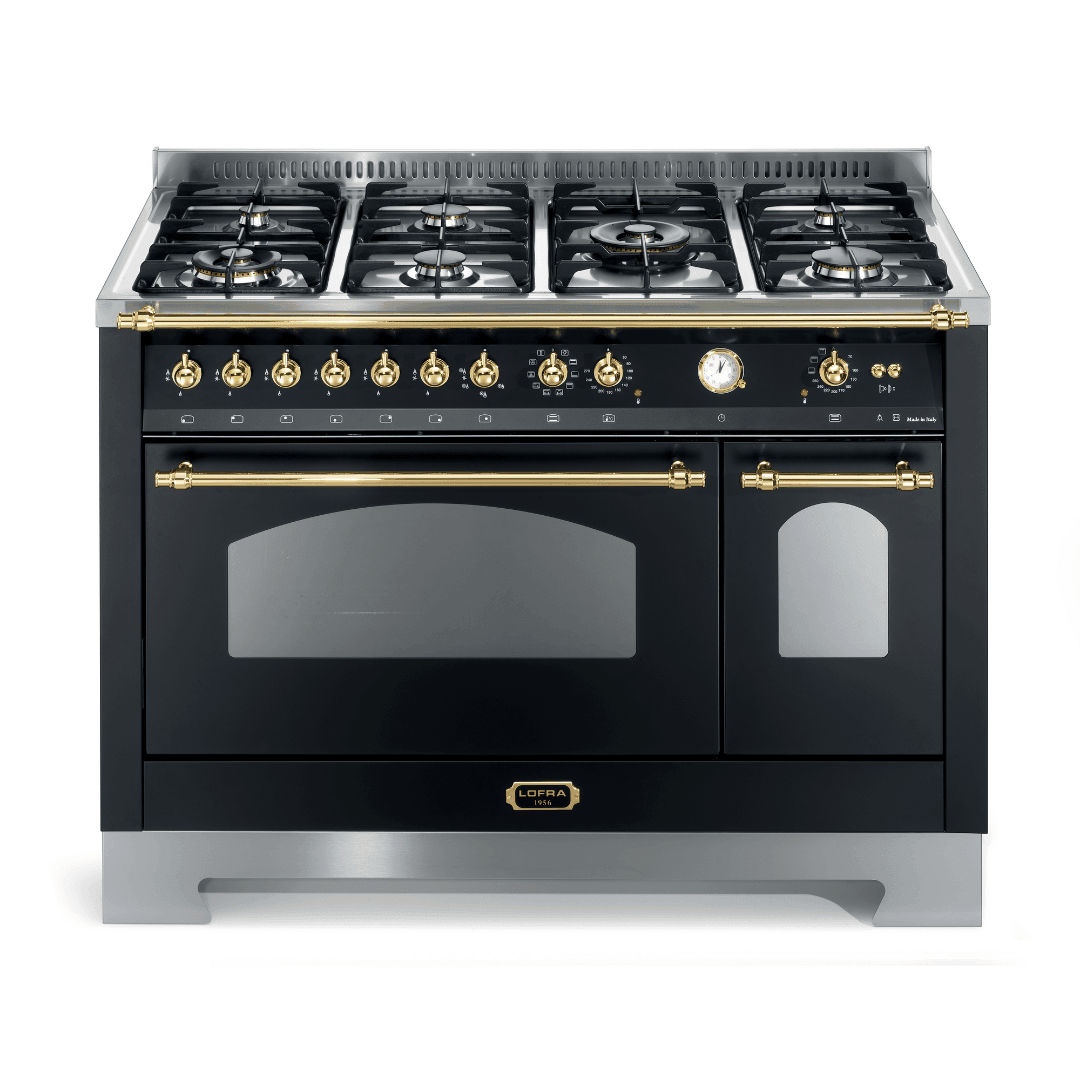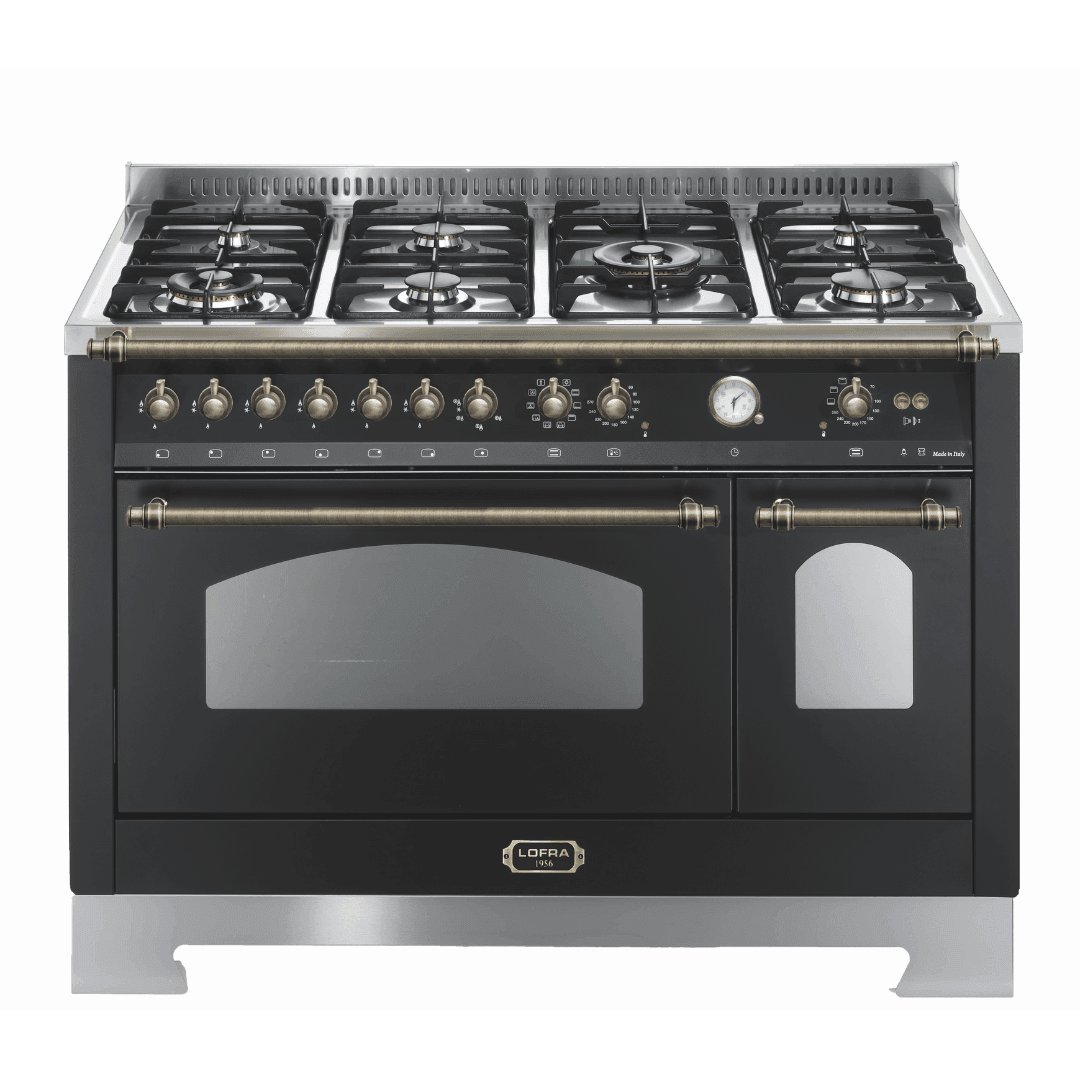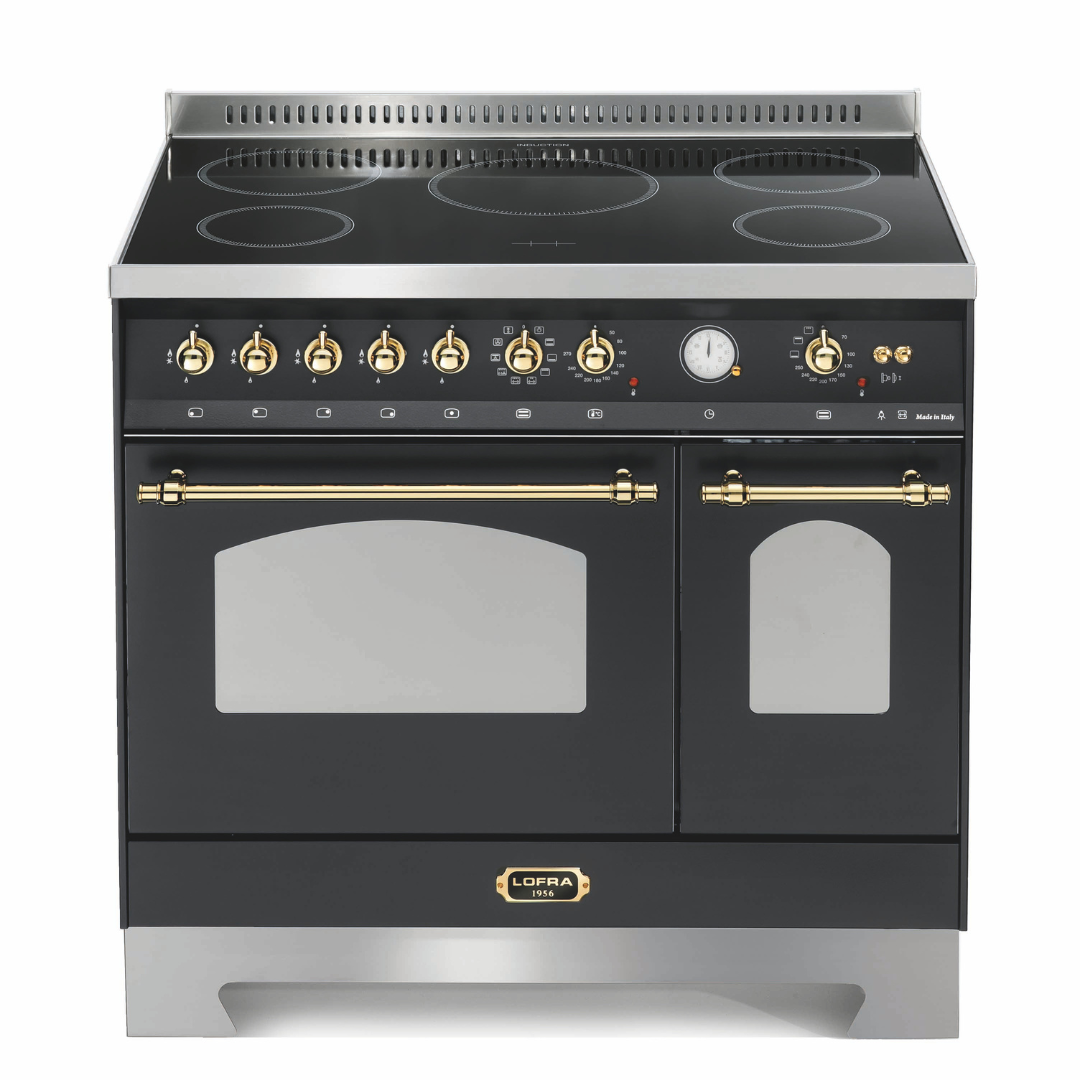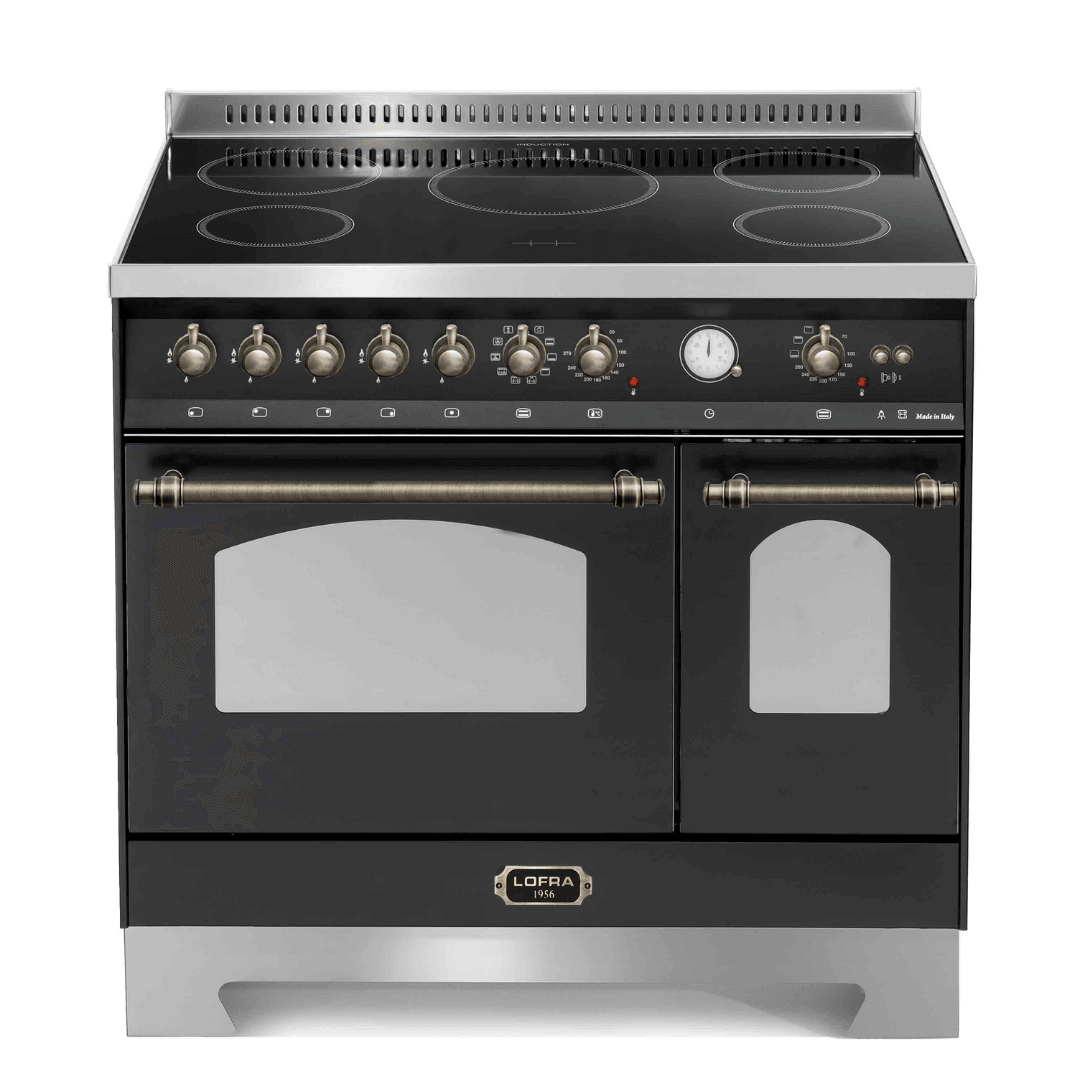
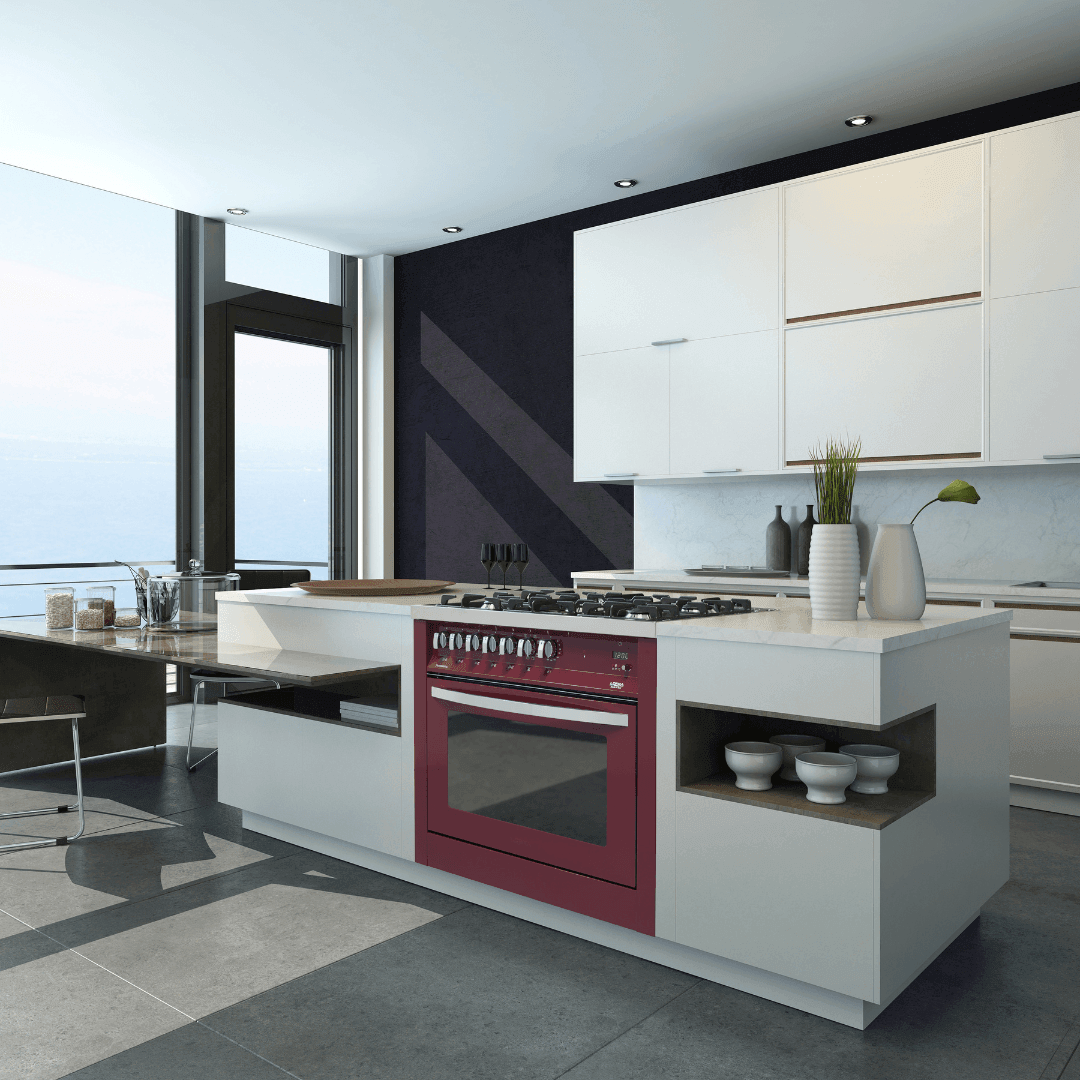
One of the biggest decisions when buying a range cooker is the hob type. Gas has been the traditional choice for serious cooks for generations, but induction technology has improved dramatically. This guide breaks down everything you need to know to make the right call.
What’s the Difference?
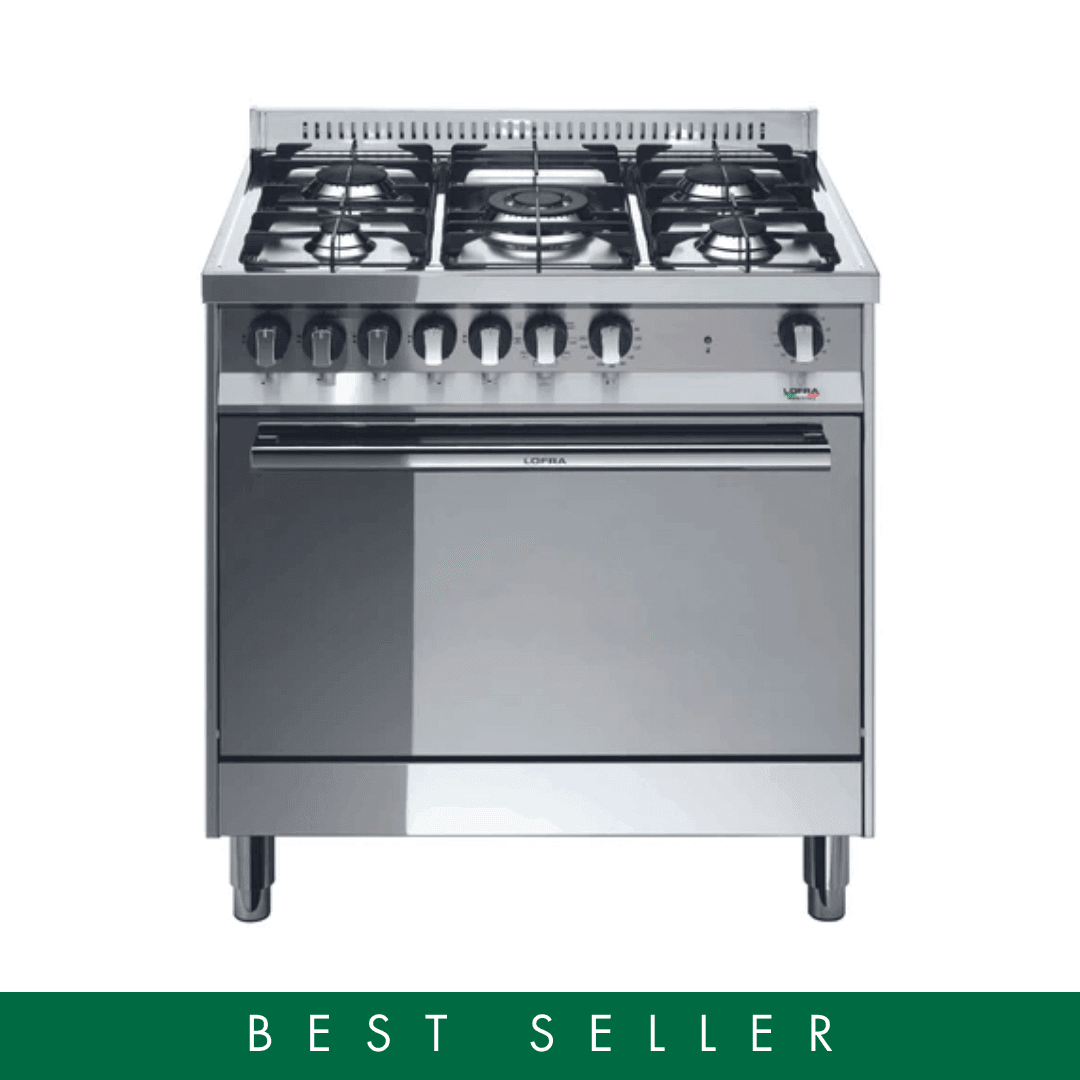
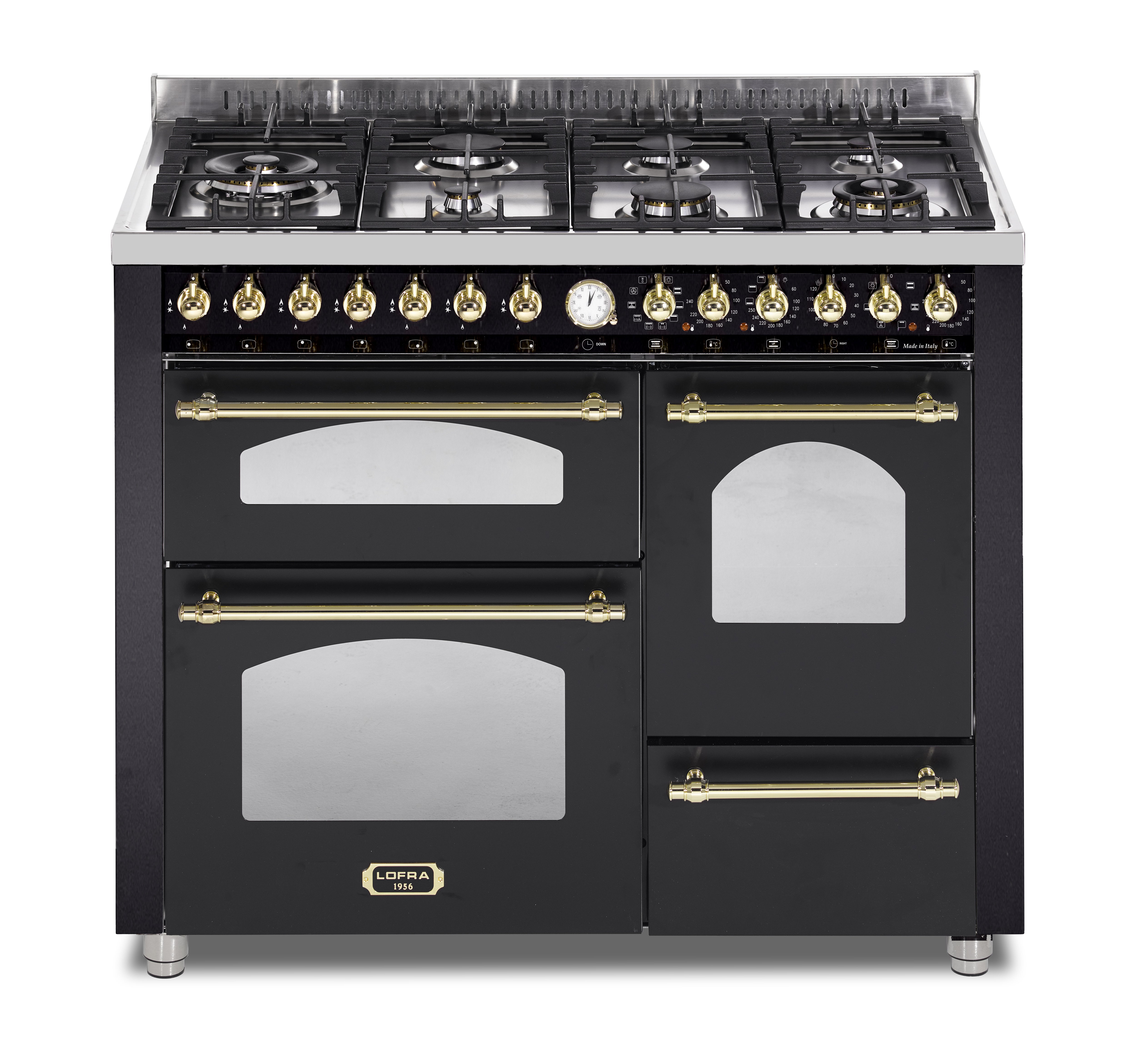
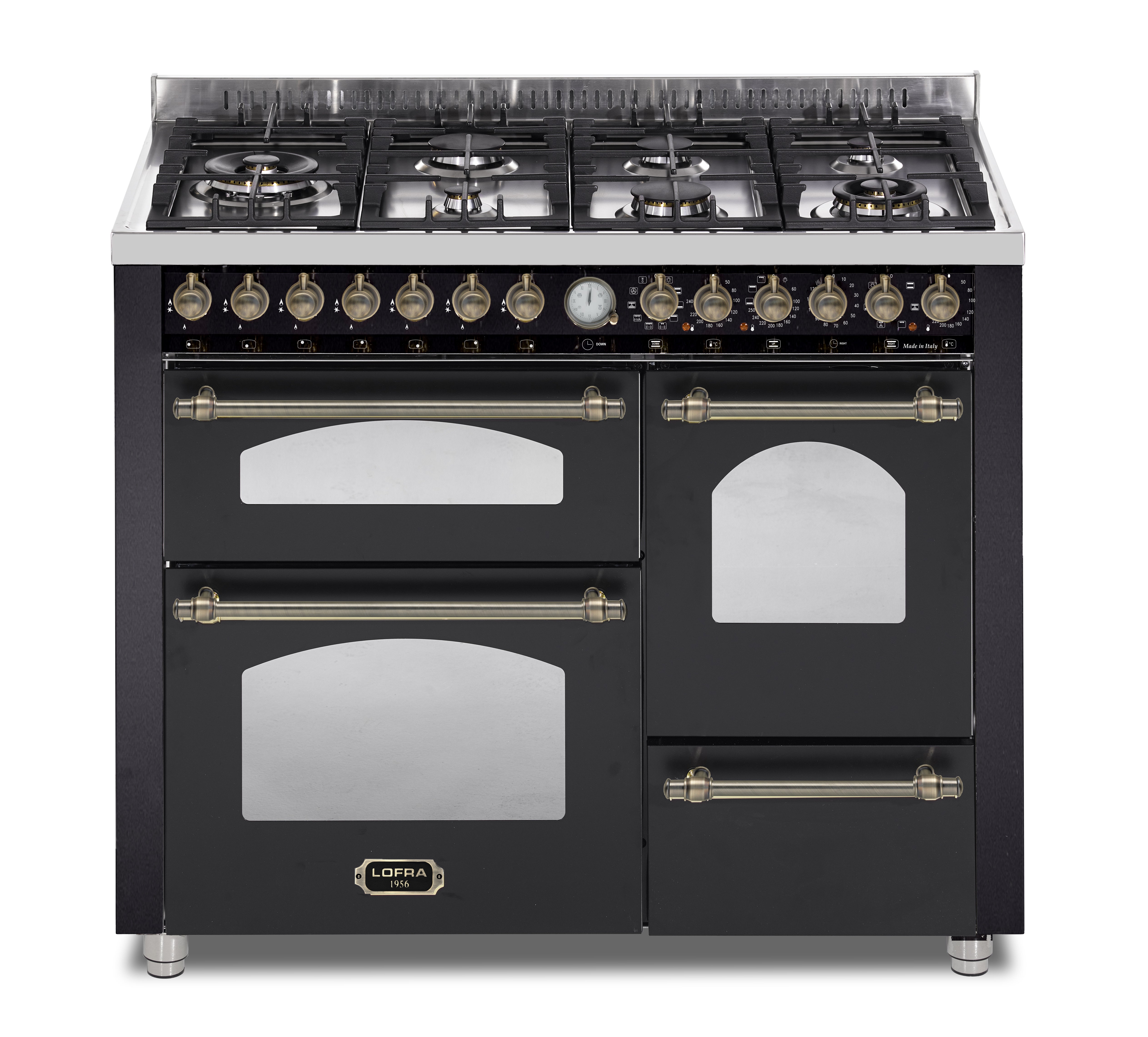
Gas hobs produce a flame beneath the pan. Heat is immediate and fully adjustable. Induction hobs use electromagnetic fields to generate heat directly in the base of a compatible pan — the hob surface itself stays cool.
A dual fuel range cooker pairs a gas hob with an electric oven — the most popular UK configuration. A full induction range cooker uses an induction hob with an electric oven.
Cooking Performance
Responsiveness: Gas wins on instant response — you see the flame change immediately. Induction is also highly responsive but there’s a fractional lag.
Maximum heat: Modern induction can reach very high temperatures — a quality induction zone boils water faster than a gas burner.
Low simmer: Induction edges ahead — you can set very specific power levels. Gas’s lowest flame can still be hotter than ideal for delicate sauces.
Wok cooking: Gas wins. A triple crown burner delivers intense heat across a broad area that’s hard to replicate with induction, especially with round-bottomed woks.
Safety
Induction is significantly safer — no open flame, the surface barely heats up, automatic pan detection, no risk of gas leaks. A clear advantage in households with young children.
Installation Requirements
Gas: Requires a mains gas supply, Gas Safe registered engineer connection, standard 13-amp socket, extractor hood.
Induction: No gas supply needed, but requires a 32–40amp dedicated electrical circuit (usually needs an electrician), compatible cookware, extractor hood.
Cookware Compatibility
Induction requires magnetic cookware (cast iron, most stainless steel, and enamelled cast iron). Copper, aluminium and some non-stick pans won’t work. Gas works with any pan — no restrictions.
Cleaning
Induction wins clearly. Spills don’t burn on — a quick wipe is usually enough. Gas hobs have pan supports, burner caps and heads that need regular cleaning.
Summary
| Gas | Induction | |
|---|---|---|
| Instant response | Excellent | Very good |
| Boiling speed | Good | Faster |
| Low simmer | Good | Better |
| Wok cooking | Better | Good |
| Safety | Good | Safer |
| Cleaning | More effort | Easier |
| Cookware | Any pan | Magnetic only |
| Installation | Gas supply needed | No gas needed |
Choose gas if: you value instant visual feedback, cook with a wok regularly, or prefer the traditional experience.
Choose induction if: you have no gas supply, have young children, or want easier cleaning and better efficiency.
Explore Gas & Induction Range Cookers
Gas and dual fuel:
- Dolcevita range cookers — gas, dual fuel and induction, 60–150cm
- Maxima range cookers — gas and dual fuel, 60–90cm
- Professional range cookers — gas and dual fuel, 60–120cm
- Rainbow range cookers — gas and dual fuel in bold colours
- Venezia range cookers — gas, dual fuel and electric, 90cm
Induction and electric:
- Dolcevita 90cm Electric — full induction hob with electric oven
- Dolcevita 90cm Double Oven Electric — induction hob with twin electric ovens
- View all range cookers